Glass Bottle Manufacturing Process
Blog February 27, 2026
Glass bottles are engineered products. They are not simply shaped containers but precision packaging solutions designed for durability, aesthetics, and functional performance.
The manufacturing process involves multiple controlled stages—from raw material preparation to quality inspection. Each stage influences final product strength, clarity, and dimensional accuracy.
For brands sourcing packaging, understanding this process enhances supplier evaluation and procurement decisions.
1. Raw Material Preparation
Glass production begins with carefully formulated raw materials:
Silica sand
Soda ash
Limestone
Recycled glass (cullet)
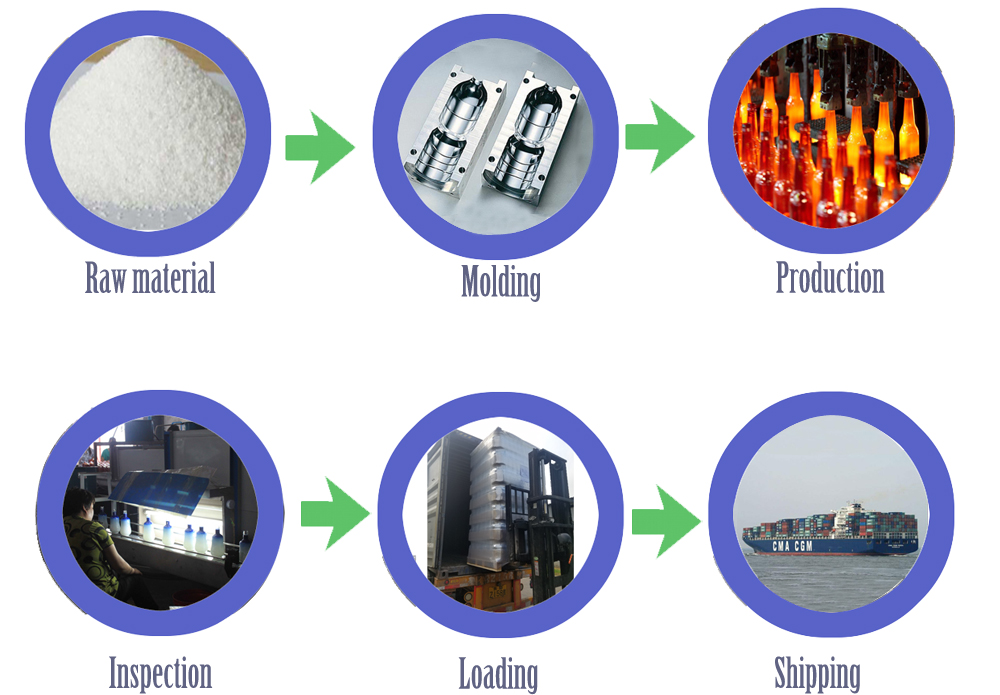
Material purity determines transparency and structural integrity.
For flint and extra flint glass, strict impurity control is essential to achieve premium clarity—critical for spirits and luxury packaging.
Recycled glass (PCR) reduces energy consumption and supports sustainability goals while maintaining material quality.
2. Furnace Melting
Raw materials are melted in industrial furnaces at approximately 1500°C.
Temperature stability is crucial:
Too high → material degradation
Too low → incomplete melting
Fluctuations → defects
Modern furnaces operate continuously to maintain consistency and efficiency.
During melting, gases escape and materials homogenize, forming molten glass ready for shaping.
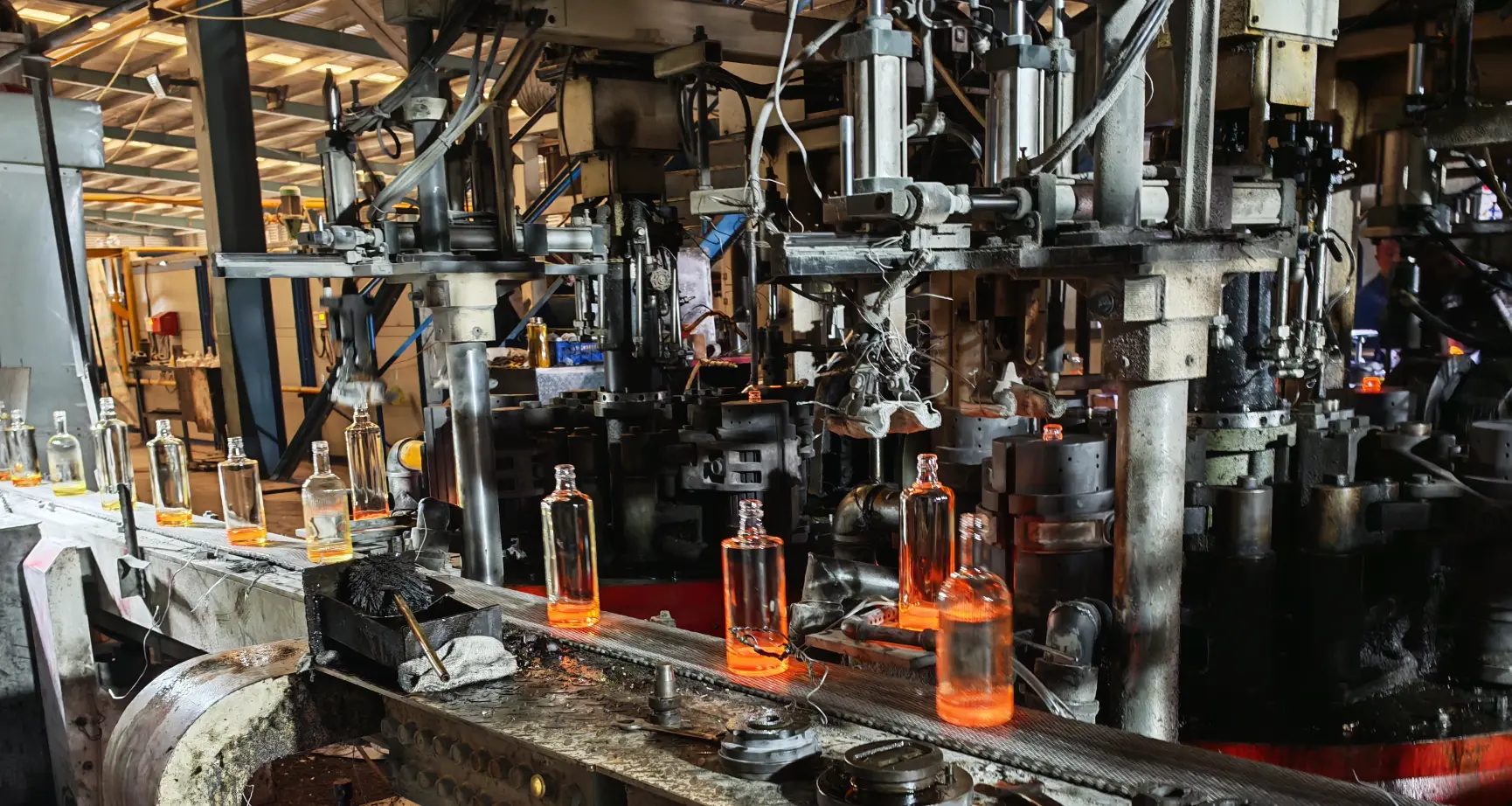
3. Forming and Mold Shaping
Molten glass is divided into precise portions called gobs.
Using IS (Individual Section) machines, glass are pressed or blown into molds.
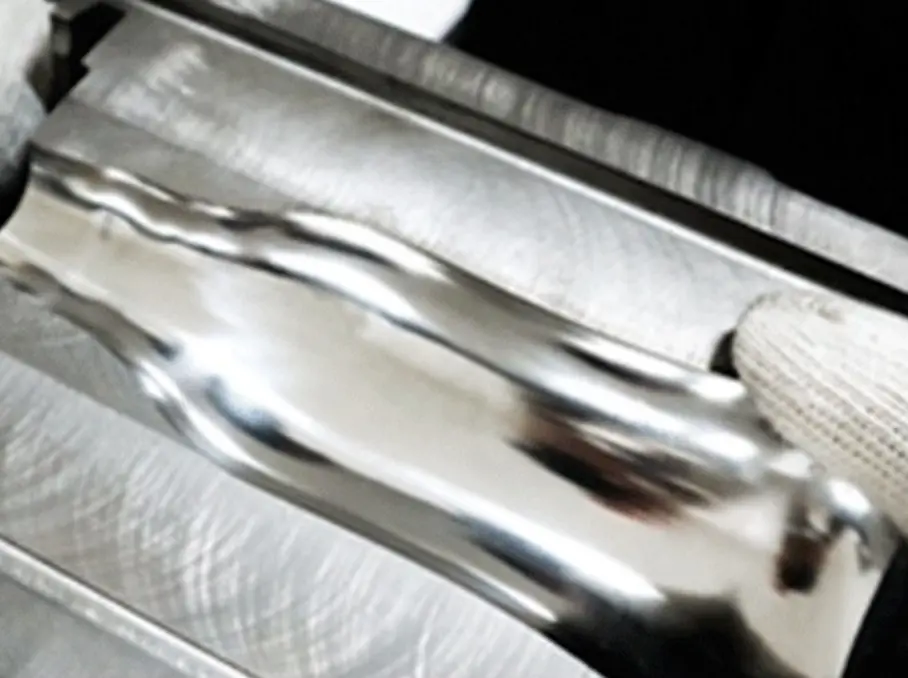
Mold precision determines:
Neck finish accuracy
Wall thickness distribution
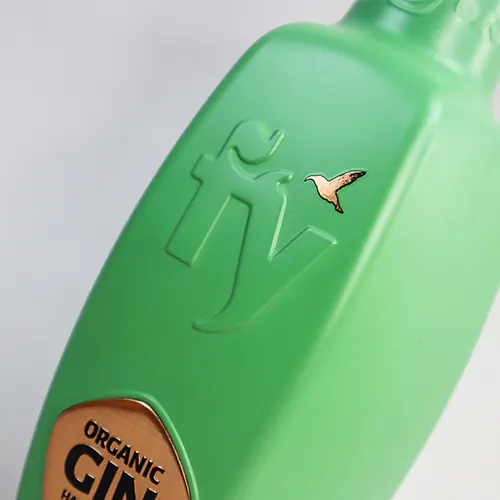
Embossing quality
Custom molds enable brand-specific designs and distinctive bottle shapes.
Engineering precision at this stage ensures dimensional consistency and structural reliability.
4. Annealing
After forming, bottles remain under internal stress.
Annealing gradually cools the glass in a controlled environment, removing tension.
Benefits:
Improved durability
Resistance to thermal shock
Structural stability
Without proper annealing, bottles may crack during filling or transportation.
This process ensures long-term performance and product reliability.
5. Cold-End Treatment
Cold-end coatings enhance surface durability and reduce friction.
Benefits:
Scratch resistance
Improved pallet stability
Transportation protection
For export packaging, cold-end treatment minimizes damage during logistics.
This step improves operational efficiency and product presentation.
6. Quality Control
Quality assurance combines automated systems and manual inspection.
Key checks include:
Dimensional accuracy
Surface defects
Internal stress testing
Visual inspection
Export-ready bottles must meet strict quality standards for filling-line compatibility and consumer safety.
Quality control protects brand reputation and customer satisfaction.
Conclusion
Glass bottle manufacturing is an engineering process that balances material science and precision production.
Understanding production stages enables brands to evaluate suppliers and design informed packaging strategies.
At Hannova Glass, we prioritize engineering excellence and quality assurance in every product.
Contact us for premium glass packaging solutions engineered for performance and brand value.